
Embarking on a cryptocurrency investment journey can feel daunting, but understanding the fundamentals empowers informed decision-making. This guide demystifies the process, from grasping blockchain technology to securing your digital assets. We’ll explore various exchanges, funding methods, and investment strategies, equipping you with the knowledge to navigate this exciting yet volatile market.
The cryptocurrency landscape is dynamic and constantly evolving. Therefore, a well-rounded understanding of risk management, security protocols, and market trends is crucial. This comprehensive guide aims to provide a structured approach, enabling you to confidently enter the world of cryptocurrency investing.
Understanding Cryptocurrency Basics
Investing in cryptocurrency requires a foundational understanding of its underlying technology and the various digital assets available. This section will explore the core concepts of blockchain technology, delve into different types of cryptocurrencies, and compare some popular options based on their market capitalization and use cases. Understanding these fundamentals is crucial for making informed investment decisions.
Blockchain Technology
Blockchain is a decentralized, distributed, and public digital ledger that records and verifies transactions across multiple computers. This distributed nature makes it highly secure and resistant to manipulation. Each transaction is grouped into a “block,” which is then added to the chain chronologically, creating a permanent and auditable record. The cryptographic hashing of each block links it to the previous one, ensuring the integrity of the entire chain.
Any attempt to alter a past transaction would be immediately detectable, as it would break the cryptographic chain. This inherent security is a key feature of blockchain technology, fostering trust and transparency in transactions.
Types of Cryptocurrencies
Cryptocurrencies vary significantly in their functionality and purpose. Some, like Bitcoin, primarily function as a store of value and a medium of exchange, mirroring traditional currencies. Others, like Ethereum, offer a platform for decentralized applications (dApps) and smart contracts, expanding their utility beyond simple transactions. Still others focus on specific niches, such as privacy-focused coins or those designed for faster transaction speeds.
The choice of cryptocurrency depends heavily on individual investment goals and risk tolerance.
Comparison of Popular Cryptocurrencies
Bitcoin, Ethereum, and Solana are three of the most well-known cryptocurrencies, each with distinct characteristics. Bitcoin, the first cryptocurrency, is known for its established market dominance and relative stability. Ethereum, on the other hand, is a more versatile platform supporting smart contracts and decentralized applications. Solana aims for high transaction speeds and scalability, differentiating itself through its unique consensus mechanism.
Market capitalization fluctuates constantly, reflecting market sentiment and technological developments. Use cases also vary, impacting the overall demand and value of each cryptocurrency.
| Feature | Bitcoin (BTC) | Ethereum (ETH) | Solana (SOL) |
|---|---|---|---|
| Primary Use Case | Store of Value, Payment | Smart Contracts, dApps | High-Throughput Transactions, dApps |
| Consensus Mechanism | Proof-of-Work | Proof-of-Stake | Proof-of-History |
| Transaction Speed | Relatively Slow | Moderate | Very Fast |
| Market Capitalization (Note: This is highly variable and should be verified with a current market tracker) | [Insert Current Market Cap Data from Reliable Source] | [Insert Current Market Cap Data from Reliable Source] | [Insert Current Market Cap Data from Reliable Source] |
Choosing a Cryptocurrency Exchange
Selecting the right cryptocurrency exchange is a crucial first step in your investment journey. The exchange acts as your gateway to the crypto market, so choosing a reputable and secure platform is paramount to protecting your funds and ensuring a smooth trading experience. Several factors need careful consideration before making your decision.Choosing a reputable and secure exchange is paramount for protecting your investment.
A secure exchange employs robust security measures to safeguard user funds and data from theft or unauthorized access. Reputable exchanges also adhere to strict regulatory guidelines and maintain transparent operational practices. Ignoring these factors can expose your investment to significant risks, including hacking, scams, and fraud.
Exchange Comparison: Fees, Security, and User Interface
Different cryptocurrency exchanges offer varying fee structures, security protocols, and user interfaces. Understanding these differences is vital for selecting an exchange that aligns with your needs and risk tolerance. Lower fees are generally desirable, but shouldn’t come at the cost of security. A user-friendly interface can significantly improve your trading experience, particularly for beginners.
| Exchange | Fees (Example) | Security Features (Example) | User Interface |
|---|---|---|---|
| Binance | Variable, typically lower for higher trading volume. Example: 0.1% maker fee, 0.1% taker fee. | Two-factor authentication (2FA), cold storage for a significant portion of assets, and regular security audits. | Generally considered user-friendly, but can be overwhelming for complete beginners due to its extensive features. |
| Coinbase | Higher fees compared to some competitors, but often simpler to understand. Example: Variable, dependent on payment method and trading volume. | Strong security measures, including 2FA, and insurance on held assets. Regulated in many jurisdictions. | Known for its intuitive and user-friendly interface, making it ideal for beginners. |
| Kraken | Competitive fees, often lower than Coinbase but potentially higher than Binance for some trades. Example: Fees vary based on trading volume and type of order. | Robust security measures, including 2FA and advanced security options. Strong reputation for security. | More advanced interface, catering to experienced traders. Steeper learning curve than Coinbase. |
Note: Fee structures and security measures can change, so always check the exchange’s website for the most up-to-date information. The examples provided are for illustrative purposes only and should not be considered financial advice.
Account Creation and Identity Verification
Creating an account and verifying your identity on a cryptocurrency exchange is a necessary step to comply with anti-money laundering (AML) and know-your-customer (KYC) regulations. This process typically involves providing personal information, such as your name, address, and a government-issued ID. The verification process helps protect both the exchange and its users from fraudulent activities.
- Visit the exchange’s website and click on the “Sign Up” or “Register” button.
- Provide the required personal information, including your email address, password, and potentially your phone number.
- Complete the identity verification process by uploading copies of your government-issued ID and proof of address.
- Once your identity is verified, you will be able to access all the exchange’s features.
Secure Access and Account Management
Protecting your exchange account requires implementing strong security practices. This includes using a strong, unique password, enabling two-factor authentication (2FA), and regularly reviewing your account activity for any unauthorized transactions. Avoid storing large amounts of cryptocurrency directly on the exchange for extended periods.
- Choose a strong and unique password that is difficult to guess.
- Enable two-factor authentication (2FA) for an added layer of security. This typically involves using an authenticator app or receiving a code via SMS or email.
- Regularly review your account activity for any suspicious transactions. Report any unauthorized activity immediately to the exchange.
- Consider using a hardware wallet for storing larger amounts of cryptocurrency offline.
- Keep your software updated, and be wary of phishing attempts.
Funding Your Cryptocurrency Account
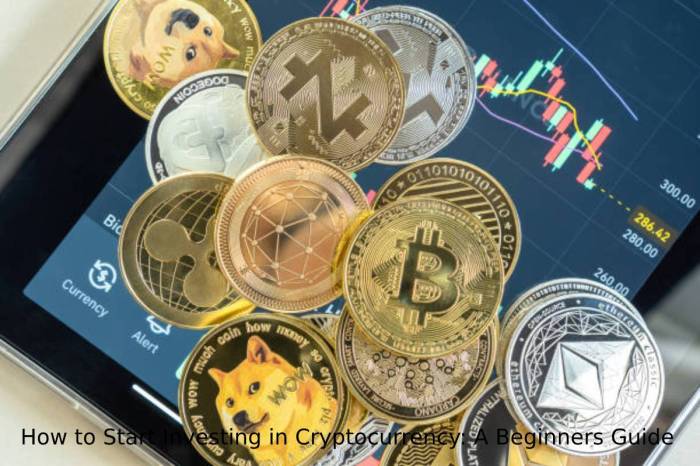
Funding your cryptocurrency exchange account is the crucial next step after choosing an exchange. This process involves transferring funds from your bank account or other payment methods to your exchange wallet, enabling you to purchase cryptocurrencies. Understanding the various methods and associated risks is paramount to ensuring a secure and efficient transaction.
Several methods exist for depositing funds, each with its own set of advantages and disadvantages. Security is paramount throughout this process, as compromised funds can lead to significant financial losses. It’s essential to be aware of potential scams and vulnerabilities associated with each funding method.
Deposit Methods and Their Associated Risks
The choice of funding method often depends on factors such as speed, fees, and the level of security offered. Below is a breakdown of common methods, highlighting their pros and cons.
- Bank Transfer (ACH, Wire Transfer):
- Advantages: Relatively low fees, generally secure, widely accepted.
- Disadvantages: Can be slow (several business days for processing), may have minimum deposit limits.
- Risk: While generally secure, errors in bank details can lead to delays or irreversible loss of funds. Always double-check the recipient’s information before initiating a transfer.
- Debit/Credit Cards:
- Advantages: Fast and convenient, widely accepted.
- Disadvantages: Higher fees compared to bank transfers, potential for chargebacks (though less likely with reputable exchanges).
- Risk: Increased risk of fraud if your card details are compromised. Use only reputable exchanges with robust security measures.
- PayPal:
- Advantages: Convenient for users already utilizing PayPal, relatively fast processing.
- Disadvantages: Higher fees than bank transfers, not all exchanges support PayPal.
- Risk: Potential for disputes and chargebacks, though less common with established exchanges. Verify the exchange’s PayPal integration before using this method.
- Third-Party Payment Processors (e.g., Skrill, Neteller):
- Advantages: Can offer faster processing than bank transfers, may support multiple currencies.
- Disadvantages: Fees can be higher, may require additional account setup.
- Risk: Similar risks to PayPal; ensure the payment processor and exchange are reputable to mitigate fraud.
Best Practices for Secure Funding
Protecting your funds during the deposit process is crucial. Following these best practices can significantly reduce the risk of loss or theft.
- Use Strong Passwords and Two-Factor Authentication (2FA): Employ strong, unique passwords for your exchange account and enable 2FA for an extra layer of security. This significantly reduces the risk of unauthorized access.
- Verify Recipient Details Carefully: Before initiating any transfer, meticulously verify the recipient’s bank details or cryptocurrency address. A single typo can lead to irreversible loss of funds.
- Only Use Reputable Exchanges: Stick to well-established exchanges with a proven track record of security and customer support. Avoid using unknown or poorly reviewed platforms.
- Regularly Review Your Account Activity: Monitor your account statements regularly for any unauthorized transactions. Report suspicious activity immediately to your exchange and relevant authorities.
- Be Wary of Phishing Scams: Never click on suspicious links or provide your account details in response to unsolicited emails or messages. Legitimate exchanges will never request your password or other sensitive information via email.
Making Your First Cryptocurrency Purchase
Purchasing your first cryptocurrency can feel daunting, but with a structured approach and understanding of the process, it becomes significantly easier. This section will guide you through the steps, explaining different order types and the importance of setting realistic investment goals.
Once you’ve chosen your exchange and funded your account, you’re ready to buy your first cryptocurrency. The process is generally similar across most exchanges, but the specific interface may vary slightly. Begin by searching for the cryptocurrency you wish to purchase (e.g., Bitcoin, Ethereum). You’ll then be presented with a buy/sell interface where you can specify the amount you want to buy.
Understanding Order Types
Different order types offer varying levels of control over your purchase. Understanding these options is crucial for optimizing your trading strategy and managing risk.
The two most common order types are market orders and limit orders. A market order executes immediately at the best available market price. This is convenient for quick purchases but might result in paying a slightly higher price than desired, especially during periods of high volatility. A limit order, on the other hand, allows you to specify the maximum price you’re willing to pay.
Your order will only be executed if the market price reaches your specified limit or lower. This offers more control but carries the risk that your order may not be filled if the price doesn’t reach your limit.
Other order types exist, such as stop-limit orders (combining stop and limit orders to mitigate risk), but understanding market and limit orders is a good starting point.
Setting Realistic Investment Goals and Risk Tolerance
Before making any cryptocurrency purchase, it’s vital to define your investment goals and assess your risk tolerance. What are you hoping to achieve with this investment? Are you looking for short-term gains or long-term growth? How much money are you comfortable losing?
For example, a conservative investor might allocate only a small percentage of their portfolio to cryptocurrencies, focusing on established coins with a proven track record. A more aggressive investor, willing to accept higher risk, might allocate a larger portion to newer, potentially higher-growth cryptocurrencies. It’s crucial to remember that cryptocurrency investments are inherently volatile, and losses are possible.
Visual Representation of the Cryptocurrency Purchase Process
Imagine a flowchart. The first box would be “Choose Cryptocurrency and Exchange,” followed by “Fund Your Account” (depositing funds via bank transfer, credit/debit card, or other methods). The next box would be “Place Order,” showing two branches: “Market Order” (executing immediately at the current market price) and “Limit Order” (specifying a maximum purchase price). Both branches lead to a final box: “Order Confirmation,” showing the successful purchase of the cryptocurrency.
The flowchart clearly depicts the linear progression from choosing the cryptocurrency to the final confirmation of the purchase, illustrating the different order types as branching paths within the process. The visual also emphasizes the importance of choosing a reputable exchange and funding the account beforehand.
Securing Your Cryptocurrency Investments
Protecting your cryptocurrency investments is paramount. The decentralized nature of cryptocurrencies means there’s no central authority to recover your funds if your account is compromised. Implementing robust security measures is not optional; it’s essential to safeguard your digital assets. This section details various methods to secure your holdings and best practices to follow.
Hardware Wallets
Hardware wallets are physical devices designed to store your cryptocurrency private keys offline. This significantly reduces the risk of hacking, as your keys are never exposed to the internet. They typically offer a higher level of security than software wallets due to their air-gapped nature. Examples include Ledger and Trezor, both well-known and reputable brands offering a range of devices with varying levels of functionality and security features.
The trade-off is the added cost of purchasing the device and the slight inconvenience of using a physical device compared to software solutions. However, this inconvenience is far outweighed by the increased security offered, especially for substantial cryptocurrency holdings.
Software Wallets
Software wallets are applications that store your private keys on your computer, smartphone, or tablet. While more convenient than hardware wallets, they are inherently less secure as they are susceptible to malware and hacking if your device is compromised. There are various types of software wallets, including desktop wallets, mobile wallets, and web wallets. Desktop wallets generally offer better security than mobile or web wallets due to the controlled environment.
Web wallets, while convenient, present the highest risk due to their reliance on third-party servers. Choosing a reputable software wallet from a well-established provider is crucial to mitigating some of these risks. Regular software updates and strong security practices are also essential.
Password Security and Two-Factor Authentication (2FA)
Strong passwords are the first line of defense against unauthorized access. Avoid easily guessable passwords and utilize a password manager to generate and securely store complex, unique passwords for each of your cryptocurrency accounts and exchanges. Two-factor authentication (2FA) adds an extra layer of security by requiring a second verification method, such as a code sent to your phone or email, in addition to your password.
Enabling 2FA on all your cryptocurrency accounts and exchanges is highly recommended. It significantly reduces the risk of unauthorized access, even if your password is compromised. Consider using authenticator apps like Google Authenticator or Authy for more secure 2FA.
Best Practices for Securing Cryptocurrency Investments
Implementing a comprehensive security strategy is crucial. Here’s a checklist of best practices to protect your investments:
- Use a hardware wallet for significant holdings.
- Choose reputable and well-established cryptocurrency exchanges and wallets.
- Enable two-factor authentication (2FA) on all accounts.
- Create strong, unique passwords for each account and use a password manager.
- Keep your software updated (operating system, wallet software, antivirus).
- Regularly back up your wallet seed phrase (never store it digitally).
- Be wary of phishing scams and avoid clicking suspicious links.
- Diversify your investments across multiple wallets and exchanges (reducing the impact of a single compromise).
- Educate yourself on cryptocurrency security best practices and stay updated on emerging threats.
Understanding Cryptocurrency Investment Risks
Investing in cryptocurrency offers the potential for significant returns, but it’s crucial to acknowledge the inherent risks involved. The cryptocurrency market is known for its volatility and susceptibility to manipulation, making it a high-risk, high-reward investment. Understanding these risks and implementing effective mitigation strategies is paramount to responsible cryptocurrency investing.
Volatility and Market Manipulation
Cryptocurrency prices are notoriously volatile, experiencing significant price swings in short periods. Factors influencing this volatility include market sentiment, regulatory changes, technological advancements, and even social media trends. A single tweet from a prominent figure can cause dramatic price fluctuations. Market manipulation, where individuals or groups artificially inflate or deflate prices for profit, also poses a significant threat.
This can involve techniques like wash trading (creating artificial volume) or coordinated buying and selling to influence price movements.
Risk Mitigation Strategies
Several strategies can help mitigate the risks associated with cryptocurrency investments. Diversification is key – spreading investments across multiple cryptocurrencies reduces the impact of any single asset’s price decline. Dollar-cost averaging, a strategy of investing a fixed amount at regular intervals regardless of price, helps to reduce the impact of volatility. Thorough research and due diligence are essential before investing in any cryptocurrency.
Understanding the project’s fundamentals, its team, and its technology are crucial in assessing its long-term potential. Finally, only invest what you can afford to lose. Cryptocurrency investments carry a high risk of complete loss.
Diversification in a Cryptocurrency Portfolio
Diversification is a cornerstone of responsible cryptocurrency investing. Holding a diverse portfolio of cryptocurrencies reduces the overall risk. Instead of concentrating investments in a single asset, a diversified portfolio includes different cryptocurrencies with varying market capitalizations, functionalities, and risk profiles. This approach aims to minimize the impact of negative events affecting a single cryptocurrency on the overall portfolio’s performance.
For example, instead of investing solely in Bitcoin, a diversified portfolio might include a mix of Bitcoin, Ethereum, and other promising altcoins, each with different potential risks and rewards.
Potential Risks and Rewards of Cryptocurrency Investing
| Risk | Reward | Mitigation Strategy | Example |
|---|---|---|---|
| High Volatility | Potential for High Returns | Dollar-cost averaging, diversification | Bitcoin’s price fluctuations in 2021 demonstrate both the potential for high returns and significant losses. |
| Market Manipulation | Early adoption opportunities | Thorough research, reputable exchanges | Several less-known cryptocurrencies have experienced significant price increases followed by sharp corrections, often attributed to pump-and-dump schemes. |
| Regulatory Uncertainty | Decentralization and Transparency | Stay informed about regulatory developments | Changes in regulatory frameworks in different countries can significantly impact the value and accessibility of cryptocurrencies. |
| Security Risks (Hacking, Loss of Private Keys) | Technological Innovation | Secure wallets, strong passwords, two-factor authentication | High-profile exchange hacks have resulted in significant losses for investors. |
Staying Informed About Cryptocurrency Markets
The cryptocurrency market is incredibly dynamic, characterized by rapid price fluctuations and constant news. Staying informed is not merely advisable; it’s crucial for navigating this volatile landscape and making sound investment decisions. Regularly monitoring market trends, understanding news impacting specific cryptocurrencies, and applying analytical tools are essential components of successful cryptocurrency investing.Staying updated on cryptocurrency news and market trends is vital for several reasons.
Firstly, it allows you to anticipate potential price movements, helping you to time your trades more effectively. Secondly, it keeps you abreast of regulatory changes and technological advancements that could significantly impact the value of your investments. Finally, it helps you identify emerging opportunities and avoid potentially disastrous pitfalls. Ignoring market news can lead to significant losses, while actively monitoring it can significantly enhance your investment outcomes.
Reliable Resources for Tracking Cryptocurrency Prices and Market Data
Numerous resources provide real-time cryptocurrency price data and market analysis. These range from dedicated cryptocurrency data websites to integrated platforms offering trading and charting capabilities. Choosing reliable sources is paramount to avoid misinformation. Reputable sources typically display transparent methodologies for data collection and verification. Examples include CoinMarketCap, CoinGecko, and TradingView.
These platforms provide comprehensive data, including historical price charts, trading volume, market capitalization, and other relevant metrics. Many offer customizable dashboards and alerts to keep you informed about specific cryptocurrencies or market events.
Fundamental and Technical Analysis in Cryptocurrency Investing
Fundamental analysis involves evaluating the underlying value of a cryptocurrency based on factors such as its technology, adoption rate, team, and market position. This is analogous to evaluating a company’s financials in traditional stock markets. For example, a cryptocurrency with a strong development team, innovative technology, and growing adoption rate might be considered fundamentally sound, suggesting potential for long-term growth.
Conversely, a project with a questionable team or weak technology might be considered risky.Technical analysis, on the other hand, focuses on interpreting price charts and trading volume to identify patterns and predict future price movements. This involves using various indicators and chart patterns to identify potential buying or selling opportunities. Technical analysis relies on historical price data and assumes that past price behavior can predict future price movements.
For example, identifying a “head and shoulders” pattern on a price chart might suggest an impending price decline. It’s important to note that both fundamental and technical analysis are tools, and neither guarantees success. Successful cryptocurrency investors often use a combination of both approaches.
Avoiding Scams and Misinformation in the Cryptocurrency Space
The cryptocurrency space is unfortunately rife with scams and misinformation. It’s crucial to develop a critical mindset and verify information from multiple reputable sources before making any investment decisions. Be wary of promises of guaranteed returns or unrealistic profits; these are often hallmarks of scams. Always independently verify information found online, and be cautious of unsolicited investment advice or social media hype.
Conduct thorough due diligence on any cryptocurrency project before investing. This includes researching the project’s whitepaper, team, and technology, as well as examining its community engagement and overall transparency.
Cryptocurrency Investment Strategies
Investing in cryptocurrency offers a diverse range of strategies, each with its own risk profile and potential for reward. Understanding these strategies and aligning them with your personal financial goals and risk tolerance is crucial for successful cryptocurrency investing. The strategies discussed below represent common approaches, but remember that the cryptocurrency market is highly volatile and unpredictable, making diversification and careful planning essential.
Long-Term Holding (Hodling)
Long-term holding, often referred to as “hodling” within the cryptocurrency community, involves buying and holding cryptocurrencies for an extended period, typically years, regardless of short-term price fluctuations. This strategy aims to benefit from the potential long-term growth of the cryptocurrency market. The core belief is that the underlying technology and adoption of the cryptocurrency will increase its value over time.
Day Trading
Day trading involves buying and selling cryptocurrencies within the same day to profit from short-term price movements. This requires significant market knowledge, technical analysis skills, and a high tolerance for risk. Day traders actively monitor market trends, using charts and indicators to identify opportunities for quick profits. However, the high frequency of trades increases transaction costs and the likelihood of losses if market predictions are inaccurate.
Dollar-Cost Averaging (DCA)
Dollar-cost averaging is a strategy that involves investing a fixed amount of money at regular intervals, regardless of the price. This mitigates the risk of investing a large sum at a market peak. By consistently investing, you buy more cryptocurrency when prices are low and less when prices are high, averaging out the cost over time. This reduces the impact of volatility and can be a more psychologically manageable approach for less experienced investors.
Comparison of Investment Strategies
Choosing the right strategy depends heavily on your risk tolerance, financial goals, and time horizon. Below is a comparison table highlighting the key differences:
| Strategy | Risk Level | Potential Return | Time Commitment |
|---|---|---|---|
| Long-Term Holding | Moderate to High (depending on the cryptocurrency) | High (potential for significant growth over time) | Low |
| Day Trading | Very High | High (potential for quick profits, but also significant losses) | Very High |
| Dollar-Cost Averaging | Moderate | Moderate (consistent returns over time) | Low |
Developing a Personalized Investment Plan
A personalized investment plan is crucial for successful cryptocurrency investing. This plan should consider your risk tolerance, financial goals, investment timeline, and the specific cryptocurrencies you are considering. For example, a young investor with a long time horizon might be more comfortable with a higher-risk, higher-reward strategy like long-term holding in promising projects. Conversely, an investor nearing retirement might prefer a lower-risk strategy like dollar-cost averaging.
It’s vital to conduct thorough research and, if necessary, seek advice from a qualified financial advisor before making any investment decisions. Remember that past performance is not indicative of future results, and cryptocurrency investments are highly speculative.
Resources for Further Learning about Cryptocurrency Investment
Successfully navigating the cryptocurrency market requires continuous learning and a commitment to staying informed. The landscape is dynamic, with new technologies, regulations, and investment opportunities emerging constantly. Therefore, accessing reliable and up-to-date information is crucial for making sound investment decisions and mitigating potential risks. This section Artikels valuable resources and strategies for enhancing your cryptocurrency knowledge.
The information available online regarding cryptocurrency is vast, but not all sources are created equal. It’s essential to develop a discerning eye to identify credible sources and avoid misinformation. This section will provide guidance on evaluating information and identifying reputable resources to support your learning journey.
Reputable Websites and Educational Platforms
Several websites and platforms offer high-quality educational resources on cryptocurrency investing. These resources often provide a mix of beginner-friendly introductions and advanced analysis, catering to various levels of expertise. Choosing a few trusted sources and consistently engaging with their content is a far more effective approach than jumping between numerous less reliable sites.
- Coinbase Learn: Coinbase, a major cryptocurrency exchange, offers a comprehensive learning platform with articles, videos, and interactive courses covering various aspects of cryptocurrencies and blockchain technology.
- Investopedia: This well-established financial website provides detailed articles and explanations of various investment topics, including cryptocurrencies. Their resources are often well-researched and written in an accessible style.
- Binance Academy: Similar to Coinbase Learn, Binance Academy offers educational materials on cryptocurrencies, blockchain, and related technologies. Their content is generally considered reliable and informative.
Evaluating Cryptocurrency Information Online
Critical evaluation of online information is paramount. The cryptocurrency space is susceptible to misinformation and scams. Therefore, a structured approach to assessing the credibility of sources is vital.
- Verify the source’s authority: Check the author’s credentials and experience in the field. Look for affiliations with reputable institutions or organizations.
- Cross-reference information: Don’t rely on a single source. Compare information from multiple reputable sources to confirm accuracy and identify potential biases.
- Beware of sensationalized claims: Be wary of promises of quick riches or guaranteed returns. These are often red flags indicating potential scams.
- Identify potential conflicts of interest: Some websites or individuals may promote specific cryptocurrencies for financial gain. Be aware of these potential biases.
Recommended Books on Cryptocurrency
Books offer a more in-depth and structured approach to learning about cryptocurrency investing than many online resources. Choosing well-regarded books can provide a strong foundation for your understanding.
- “Bitcoin Standard: The Decentralized Alternative to Central Banking” by Saifedean Ammous: This book explores the history and economic implications of Bitcoin.
- “Blockchain Revolution: How the Technology Behind Bitcoin Is Changing Money, Business, and the World” by Don & Alex Tapscott: A broader overview of blockchain technology and its potential impact.
A Resource Guide for Cryptocurrency Investment Learning
Reliable Websites
Coinbase Learn, Investopedia, Binance Academy, CoinDesk
Books
“Bitcoin Standard,” “Blockchain Revolution,” “Cryptoassets: The Innovative Investor’s Guide to Bitcoin and Beyond”
Tips for Critical Evaluation
Verify source authority, cross-reference information, beware of sensationalized claims, identify potential conflicts of interest.
Continuous Learning
Stay updated on market trends, technological advancements, and regulatory changes. Engage with reputable communities and forums for discussions and insights.
Cryptocurrency Investment
Investing in cryptocurrencies presents a unique opportunity within the financial landscape, offering potential for high returns but also carrying significant risks. This overview explores the complexities of this volatile yet potentially lucrative asset class, examining its benefits and drawbacks, and offering insights into navigating this dynamic market.
The Cryptocurrency Investment Landscape
The cryptocurrency market is characterized by its decentralized nature, operating largely outside traditional financial regulatory frameworks. Thousands of cryptocurrencies exist, each with its own technology, use case, and community. Bitcoin, the first and most well-known cryptocurrency, remains a dominant force, but newer projects, often focusing on specific applications like decentralized finance (DeFi) or non-fungible tokens (NFTs), are constantly emerging.
The market’s volatility is a defining feature, with prices experiencing dramatic swings driven by factors ranging from technological advancements and regulatory announcements to broader macroeconomic trends and social media sentiment. This volatility creates both significant opportunities and substantial risks for investors.
Potential Benefits of Cryptocurrency Investment
Investing in cryptocurrencies offers the potential for substantial returns. The historical growth of Bitcoin and other major cryptocurrencies demonstrates the potential for exponential gains. Furthermore, the decentralized nature of cryptocurrencies can offer a hedge against inflation and traditional financial systems. Diversification of investment portfolios with cryptocurrencies can potentially reduce overall risk, provided appropriate risk management strategies are implemented.
Finally, some cryptocurrencies offer utility beyond mere investment, providing access to decentralized applications and services.
Potential Drawbacks of Cryptocurrency Investment
The high volatility of the cryptocurrency market is a major drawback. Significant price swings can lead to substantial losses in short periods. The lack of regulation in many jurisdictions increases the risk of scams and fraud. The technical complexity of cryptocurrencies can make it challenging for inexperienced investors to understand and manage their investments effectively. Furthermore, the security of cryptocurrency holdings is dependent on the individual’s ability to secure their private keys and wallets, making them vulnerable to hacking and theft.
Finally, the long-term viability of many cryptocurrencies is uncertain, and the market is susceptible to speculative bubbles.
Expert Opinions and Insights on the Future of Cryptocurrency Investing
While predicting the future of any market is inherently speculative, many experts believe that cryptocurrencies will continue to play a significant role in the global financial system. Some anticipate wider adoption of cryptocurrencies for payments and transactions, leading to increased demand and potentially higher prices. Others highlight the potential of blockchain technology, the underlying technology of cryptocurrencies, to revolutionize various industries beyond finance.
However, regulatory uncertainty remains a key factor influencing the future of the market. Examples of expert opinions can be found in publications like the Financial Times and the Wall Street Journal, which regularly feature analysis from financial experts and academics. For instance, some experts compare the current state of the cryptocurrency market to the early days of the internet, suggesting a period of rapid growth and innovation followed by consolidation and maturation.
Key Considerations for Cryptocurrency Investment
Before investing in cryptocurrencies, individuals should carefully consider their risk tolerance, financial goals, and investment timeline. Thorough research is essential, including understanding the technology behind specific cryptocurrencies and the risks associated with each investment. Diversification across different cryptocurrencies can help mitigate risk. Secure storage of cryptocurrency holdings is paramount, requiring the use of robust wallets and security practices.
Finally, staying informed about market trends and regulatory developments is crucial for making informed investment decisions. Failure to adequately address these considerations can lead to significant financial losses.
Successfully navigating the world of cryptocurrency investing requires a blend of knowledge, caution, and a long-term perspective. By diligently researching, understanding the inherent risks, and implementing robust security measures, you can position yourself for potential growth while mitigating losses. Remember, continuous learning and adaptation are essential in this ever-changing market. This guide serves as a starting point; further research and due diligence are paramount for making informed investment decisions.
Essential Questionnaire
What is the minimum investment amount for cryptocurrency?
There’s no minimum investment amount; you can start with as little as you’re comfortable losing. Many exchanges allow purchases of fractions of a cryptocurrency.
Are cryptocurrency investments insured?
Unlike traditional bank deposits, cryptocurrency investments are generally not insured by government agencies. The risk of loss is entirely yours.
How are cryptocurrency taxes handled?
Cryptocurrency transactions are taxable events in most jurisdictions. Consult a tax professional for specific guidance on reporting gains and losses.
What are the fees involved in cryptocurrency trading?
Fees vary significantly across exchanges. They typically include trading fees, deposit fees, and withdrawal fees. Always check the fee schedule before choosing an exchange.


